Skin Longevity Is Quietly Replacing Anti-Aging
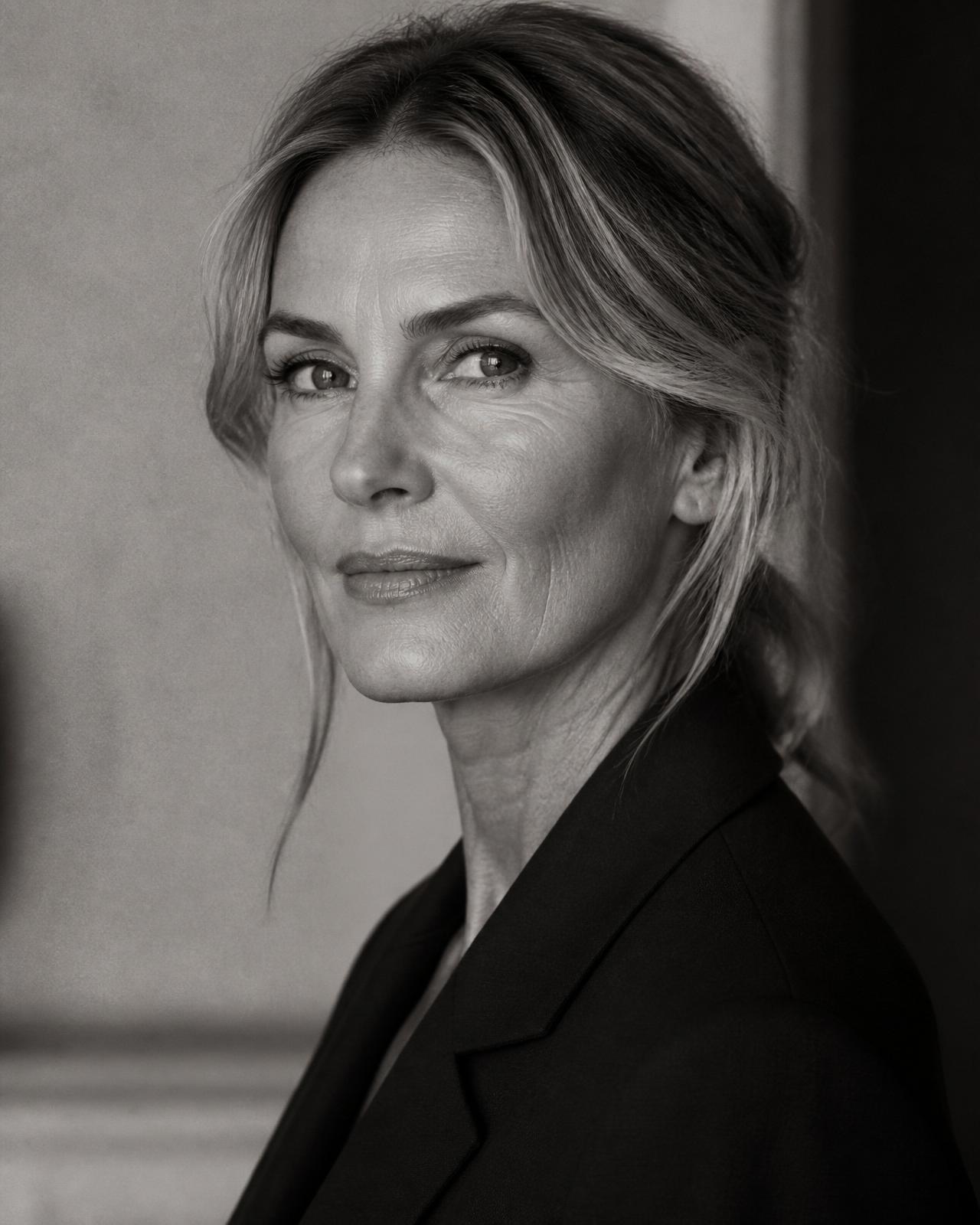
The word anti-aging is quietly disappearing from the most thoughtful corners of skincare. In its place is a calmer and more honest idea — that the goal is not to defy time, but to age well.
Few phrases have shaped the beauty industry as completely as anti-aging. For half a century it set the terms of the conversation, framing time as an adversary and every product as a small act of resistance. It was a powerful idea, and a profitable one. It was also, on closer inspection, a slightly dishonest one.
The most considered voices in skincare have begun to retire the phrase. In its place sits a quieter and more durable concept borrowed from medicine: longevity. The shift sounds semantic, but it carries a genuine change in ambition. Anti-aging promised to turn back time. Skin longevity promises something more achievable and more truthful — to keep skin healthy, resilient and functioning well for as long as possible.
The change mirrors a broader movement in health. Longevity science has spent the last decade reframing ageing not as a single decline to be reversed but as a process to be managed — a matter of preserving function, slowing damage and extending the years in which the body works well. Skin, the body''s largest organ, is a natural place for that thinking to take root.
In practice, skin longevity privileges the unglamorous. It values consistent protection over dramatic correction, prevention over rescue, and the long arc of skin health over the quick erasure of a single flaw. Sun protection becomes not a seasonal afterthought but the foundational act. Barrier health, restful sleep and the avoidance of chronic inflammation move from the margins to the centre.
There is honesty in this reframing that the old language lacked. Anti-aging implied a destination that did not exist — a return to a younger face that no cream could deliver. Longevity sets a goal that is both more modest and more meaningful: not to look twenty again, but to keep skin in good condition across a long life. It asks to be judged over years, not weeks.
The shift also changes who the customer is. The longevity mindset appeals to people accustomed to thinking in terms of maintenance — those who already track their sleep, their movement and their nutrition, and who instinctively understand that results come from consistency rather than intervention. For them, skincare is less a corrective purchase than a continuous practice.
It would be naive to imagine the industry has abandoned its talent for selling hope. Longevity can become its own marketing language, no more rigorous than the one it replaces. But at its best, the idea encourages something genuinely healthier: a relationship with one''s skin defined by care rather than anxiety, and by the long view rather than the next quick fix.
Perhaps that is the quiet significance of the change. To age is not a failure to be corrected but a process to be accompanied well. Skincare, finally, is beginning to speak in those terms.
References
- Lopez-Otin C, et al. The hallmarks of aging. Cell, 2013.
- Gu Y, et al. Biomarkers of skin aging. Ageing Research Reviews, 2020.
- Fisher GJ, et al. Mechanisms of photoaging and chronological skin aging. Archives of Dermatology, 2002.
- Kohl E, et al. Skin ageing. Journal of the European Academy of Dermatology and Venereology, 2011.