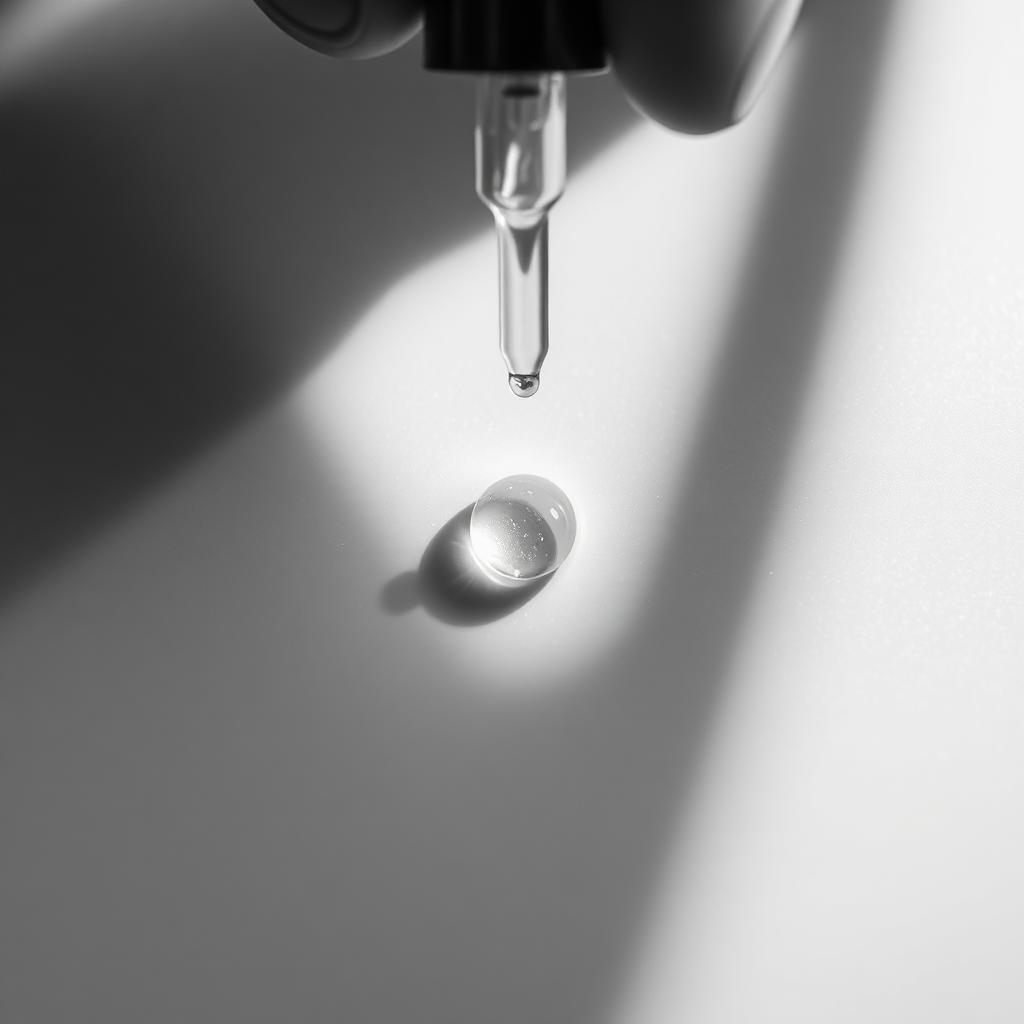
Lab-Grade Serums and the New Language of Precision Skincare
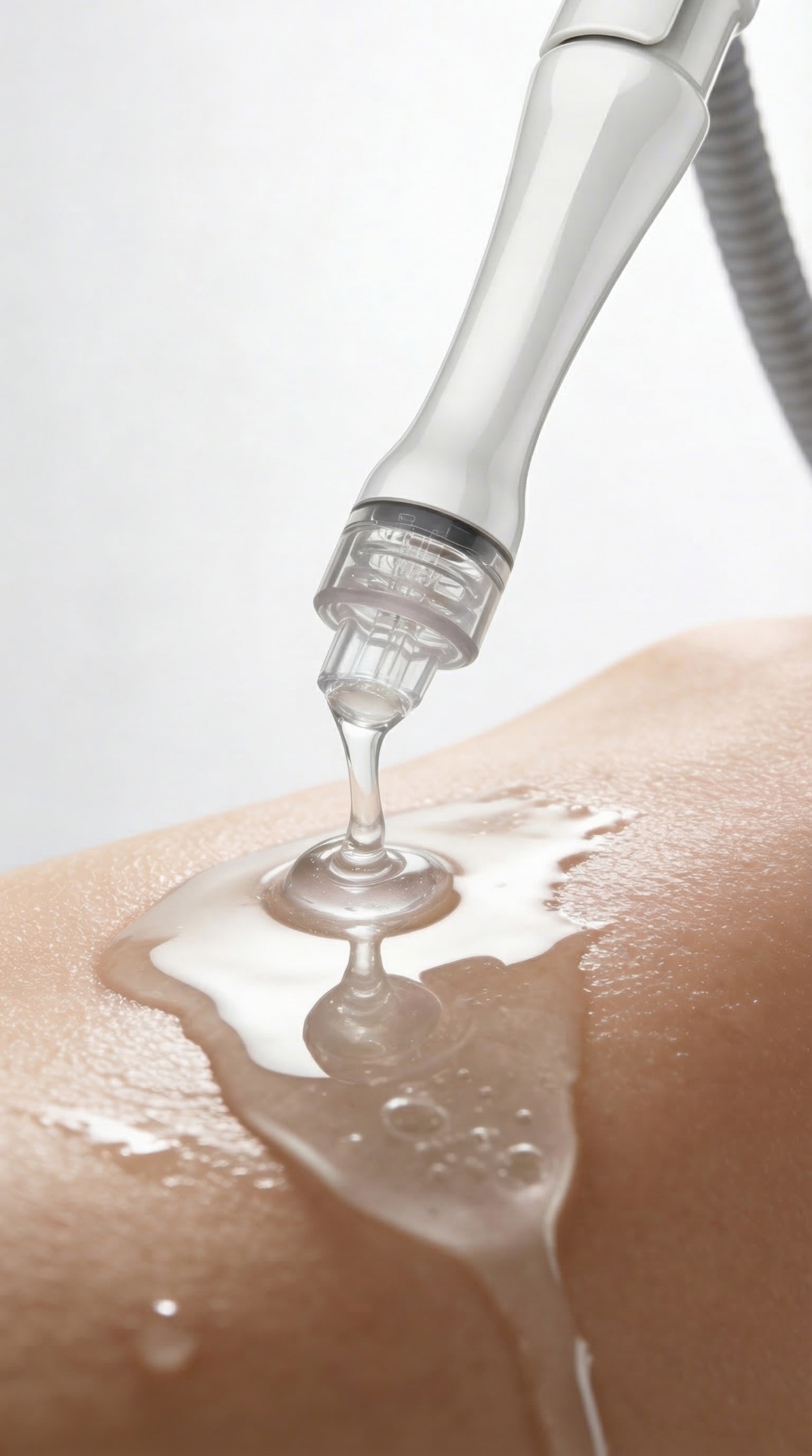
The most interesting serums no longer compete on the length of their ingredient lists. They compete on precision — on purity, stability and the quiet science of getting an active where it needs to go.
There was a period, not long ago, when a serum's ambition could be measured by the length of its ingredient list. The more actives a formula could claim, the more complete it seemed — a single bottle promising to brighten, firm, hydrate and protect all at once. Abundance was the selling point.
That logic is giving way to something more disciplined. A new generation of serums is borrowing the sensibility of the laboratory rather than the marketing department: fewer ingredients, chosen deliberately, formulated at higher purity and built around a clear understanding of how the skin actually receives them. The boast is no longer how much a formula contains, but how precisely it works.
Brands such as LabLabX belong to this quieter movement, framing skincare less as a cosmetic indulgence and more as applied chemistry. The emphasis falls on the things that rarely make it onto a label — the stability of an active, its concentration, the form in which it is delivered, the pH at which it remains effective. These are unglamorous details, but they are the difference between a serum that performs and one that merely promises.
“Professional skincare should always be guided by science, not marketing. At LABLABX, we develop formulations based on skin biology, evidence and compatibility with advanced aesthetic technologies to support consistent treatment outcomes.”— Tamara Kajtaz, MSc in Cosmetology, Founder, LABLABX
Stability, in particular, has become a preoccupation. Many of skincare's most valued actives are also its most fragile, degrading in light, air or time until they do little at all. The precision approach treats this as a central engineering problem, designing formulations and packaging to keep an ingredient potent from the first drop to the last. It is the kind of concern a chemist would recognise immediately and a shopper, until recently, never thought to ask about.
Equally important is the question of delivery. An active that cannot penetrate the skin's outer layers is, for most practical purposes, decoration. The more thoughtful formulations are built around this reality, pairing ingredients in ratios meant to support absorption and avoiding the overcrowding that can leave a formula impressive on paper and inert on the face.
There is a restraint to all of this that feels deliberately countercultural. In a market that has long rewarded novelty and excess, the precision serum makes a quieter argument: that doing less, but doing it exactly, is the more sophisticated path. It asks the buyer to value evidence over abundance, and method over marketing.
This shift also changes the relationship between a product and the person using it. A precise formula tends to come with a clearer purpose — a single, well-defined job rather than a vague promise of total renewal. That clarity makes it easier to build a considered routine, layering a few trusted actives rather than hoping one crowded bottle will do everything.
The risk, as ever, is that the language of the laboratory becomes its own kind of marketing — the appearance of rigour without the substance. The most credible brands distinguish themselves precisely here, by being willing to explain what they have done and why, in terms that hold up to scrutiny.
For now, the most interesting corner of skincare is the one that has stopped shouting. It speaks in concentrations and stability data, in the quiet confidence of a formula that knows exactly what it is for. After years of more, the new luxury may simply be precision.
Discover LabLabX — shop the serums at lablabx.shop.
References
- Draelos ZD. The science behind skin care: moisturizers. Journal of Cosmetic Dermatology, 2018.
- Pinnagoda J, et al. Guidelines for transepidermal water loss measurement. Contact Dermatitis, 1990.
- Rembiesa J, et al. The impact of formulation on skin penetration. Cosmetics, 2018.
- Zhai H, Maibach HI. Effects of skin occlusion on percutaneous absorption. Skin Pharmacology and Applied Skin Physiology, 2001.