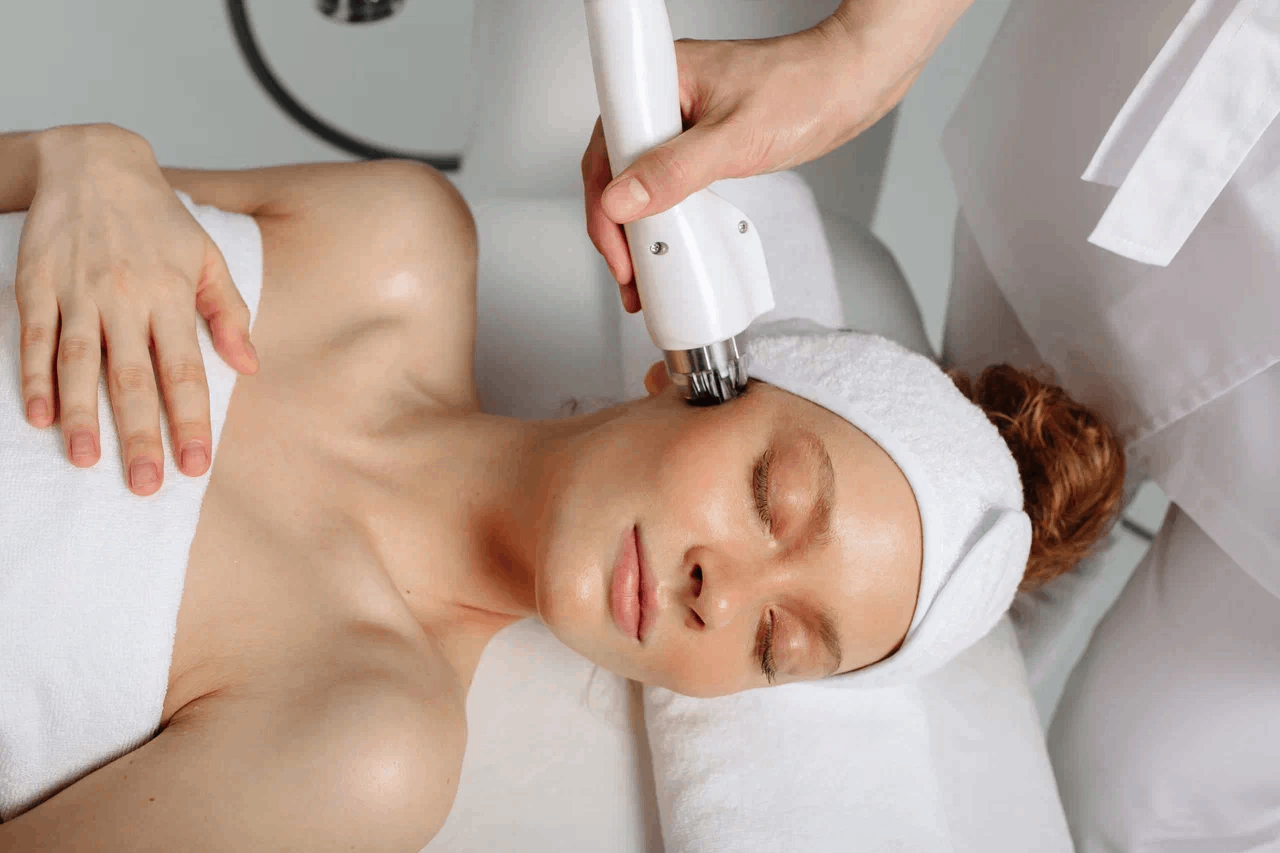
Inside the New Wave of Picosecond Lasers
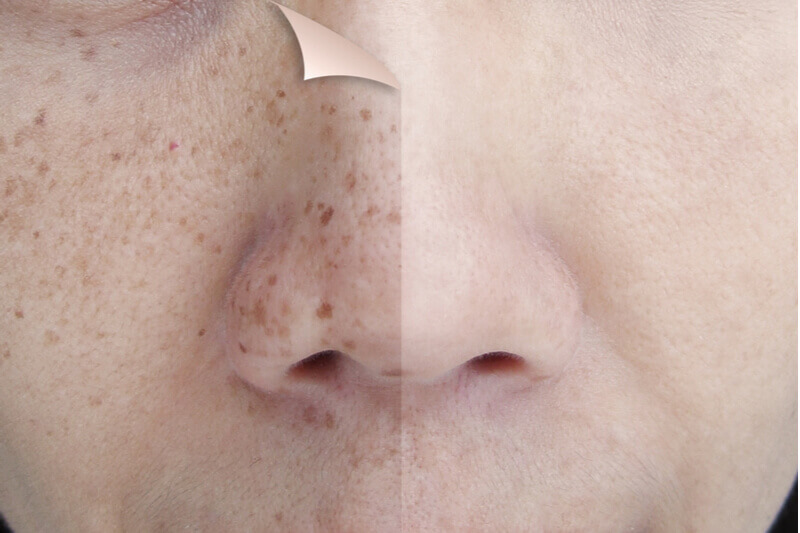
The latest picosecond platforms promise faster results with less downtime. We separate the clinical reality from the marketing.
Few categories of aesthetic hardware have advanced as quickly as laser platforms. Where the last generation of devices measured their pulses in nanoseconds, the newest picosecond systems fire in trillionths of a second — bursts so brief that pigment is shattered by pressure rather than heat. The distinction sounds academic. In practice, it has quietly reshaped what clinicians can promise their patients.
The appeal is easy to understand. Shorter pulses mean less thermal spread into surrounding tissue, which translates to fewer side effects, faster recovery and the ability to treat skin that older lasers considered too risky. Pigment that once required repeated, aggressive sessions can now be addressed more gently, and the same platforms increasingly double as tools for texture, tone and the early architecture of collagen remodeling.
The Physics of a Trillionth of a Second
What makes picosecond technology genuinely different is not simply speed for its own sake. It is the shift from a photothermal to a photomechanical effect. Instead of heating pigment until it breaks down — a process that inevitably warms the tissue around it — the ultrashort pulse delivers energy so quickly that the target fragments into far smaller particles. Those particles are easier for the body to clear, which is why fewer sessions are often required and why bruising and downtime have diminished.
This same mechanism explains the growing interest in fractionated picosecond handpieces, which create microscopic zones of controlled injury beneath an intact surface. The result is a remodeling response — new collagen, refined texture, a subtle tightening — without the prolonged healing associated with older ablative approaches.
Marketing Versus Medicine
Manufacturers are competing fiercely on wavelength range, speed, comfort and versatility, and the spec sheets can be dazzling. But beneath the numbers lies a more interesting question: are outcomes actually improving, or are we paying premium prices for marginal gains?
The clinicians we spoke with were cautiously enthusiastic. The consensus was consistent and unglamorous. The technology is genuinely better, but the operator remains the decisive variable. Wavelength selection, fluence, spot size, the spacing of passes, the reading of each individual skin type — these judgments still separate an elegant result from a disappointing one. A world-class device in untrained hands still disappoints, and no software preset compensates for a lack of clinical intuition.
What It Means for Clinics
For a practice weighing a six-figure investment, the lesson is clear. The machine is only half the purchase. The other half — arguably the more important one — is training, protocol development and the patience to build experience across a range of skin tones and concerns.
There is also a quieter strategic point. As picosecond platforms become more common, the differentiator will no longer be owning the technology but knowing how to use it well. The clinics that thrive will be those that treat each device as an instrument to be mastered rather than a marketing badge to be displayed.
The new wave of picosecond lasers is, on balance, a real advance. But like every genuine advance in aesthetic medicine, its promise is realized not in the hardware itself, but in the hands that guide it.
References
- Ross EV, et al. Picosecond laser technology in dermatology. Lasers in Surgery and Medicine, 2019.
- Wu DC, et al. A systematic review of picosecond laser in dermatology. Lasers in Surgery and Medicine, 2021.
- Brauer JA, et al. Successful treatment of resistant tattoos using a picosecond laser. JAMA Dermatology, 2012.
- Torbeck R, et al. Evolution of the picosecond laser. Dermatologic Surgery, 2019.