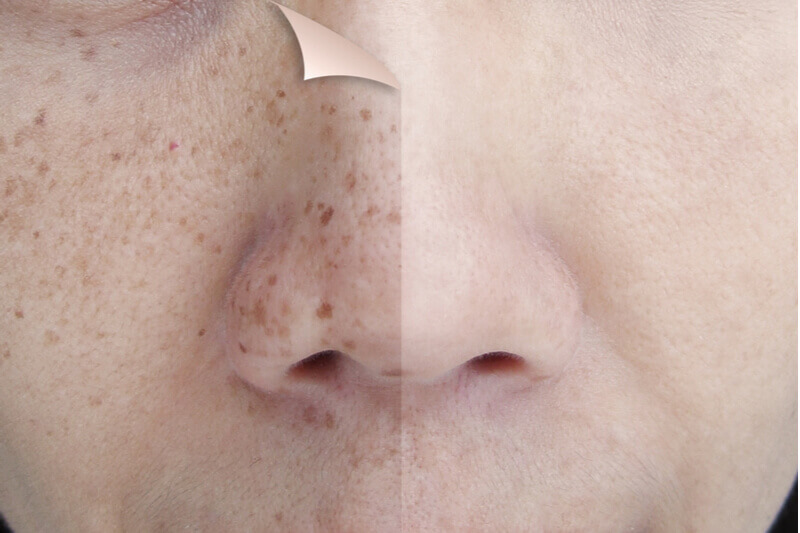
The Return of the Sculpted Face: Inside the New Muscle-Toning Devices
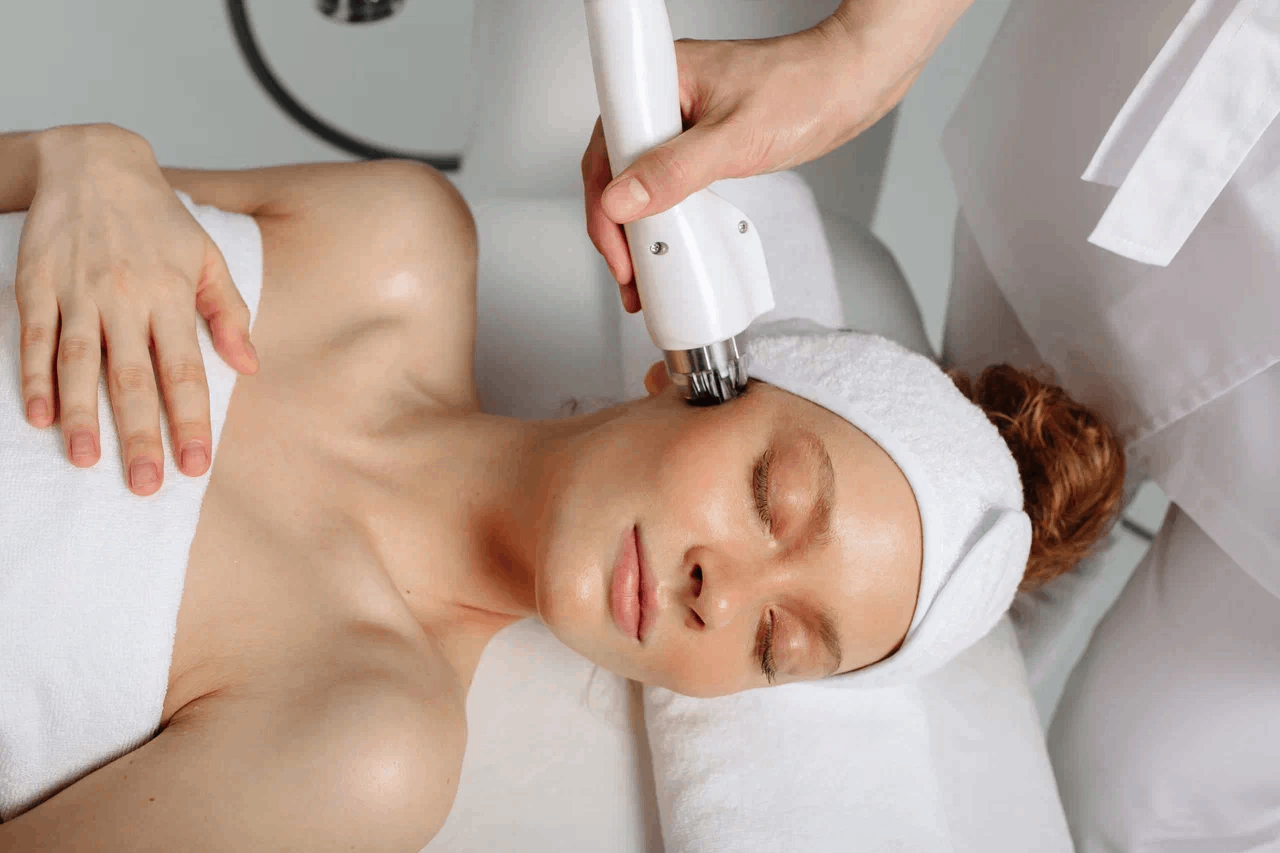
Skincare has long treated the face as a surface. A new category of devices treats it as something closer to a muscle — and the distinction is changing what people expect from a treatment.
For most of its history, aesthetic technology concerned itself with the surface of the skin. Lasers resurfaced it, radiofrequency tightened it, light coaxed it into producing more collagen. The face was treated, essentially, as a canvas — something to be refined from the outside in.
A different premise is now gaining ground. Beneath the skin lies a dense architecture of muscle, and a growing category of devices is built around the idea that this architecture can be conditioned much like any other muscle in the body. The promise is not a tighter surface but a more defined structure: lifted contours, a cleaner jawline, a face that reads as toned rather than merely smooth.
The technology behind this shift is not entirely new. Electrical muscle stimulation has existed for years in physiotherapy and sports recovery. What has changed is the precision. The latest sculpting tools deliver finely calibrated impulses designed to engage facial muscles in controlled, repeated contractions — the equivalent, enthusiasts argue, of a workout for muscles most of us never consciously train.
Devices such as Lumme Sculpt sit within this emerging field, designed around sustained, structured use rather than the one-off drama of a clinical procedure. It is a quieter proposition: incremental conditioning over weeks, closer in spirit to a fitness routine than to a treatment booked before a wedding. The appeal lies precisely in that patience. There is no downtime to manage, no recovery to plan around, only the slow accumulation of small efforts.
This reframing carries a certain cultural weight. The vocabulary of muscle-toning belongs to wellness and fitness, fields that have taught a generation to value consistency and self-maintenance over correction. Applied to the face, it suggests a subtly different relationship with ageing — less about reversing time and more about staying in condition, the way one might with the rest of the body.
Practitioners urge a measured view. Facial muscles are smaller, more delicate, and more intricately connected to expression than the muscles of the limbs, and the science of how best to train them is still maturing. The most credible voices in the field talk about complementing professional treatments rather than replacing them, and about realistic expectations measured in subtle improvement rather than transformation.
Still, the direction is telling. The face is increasingly understood not as a static surface to be polished but as a living, dynamic structure that responds to use. That is a meaningful change in how we think about looking after ourselves — one that moves aesthetics a little closer to the long, unglamorous discipline of conditioning, and a little further from the quick fix.
Whether muscle-toning devices become a fixture or a footnote will depend on the evidence that accumulates around them. But the underlying idea — that the face can be kept in condition, gradually and at home — feels less like a passing trend than a glimpse of where personal care is heading.
“After years of working with a wide range of body contouring technologies, Lumme Sculpt stands out for its exceptional balance of efficacy, patient comfort, and treatment consistency. It represents what I believe is the next generation of non-invasive body sculpting. >”— Dr. Glumičić
---
References
- Kwon TR, et al. Non-invasive facial muscle stimulation and skin tightening. Lasers in Surgery and Medicine, 2020.
- Jacob CI, Kaminer MS. The role of electrical muscle stimulation in aesthetics. Dermatologic Surgery, 2019.
- Kent DE, Jacob CI. Simultaneous changes in abdominal muscle and fat using high-intensity focused electromagnetic technology. Dermatologic Surgery, 2019.
- Weiss RA, Bernardy J. Induction of fat apoptosis by a non-thermal device. Dermatologic Surgery, 2019.