The Warmth Beneath: Radiofrequency and the Slow Art of Tightening

Of all the energies used on the face, radiofrequency is the most patient. It does not cut or ablate. It warms — and in that warmth, something structural begins.
Of all the energies brought to bear on the face, radiofrequency is the most patient. It does not cut. It does not ablate. It warms — and in that warmth, something structural begins.
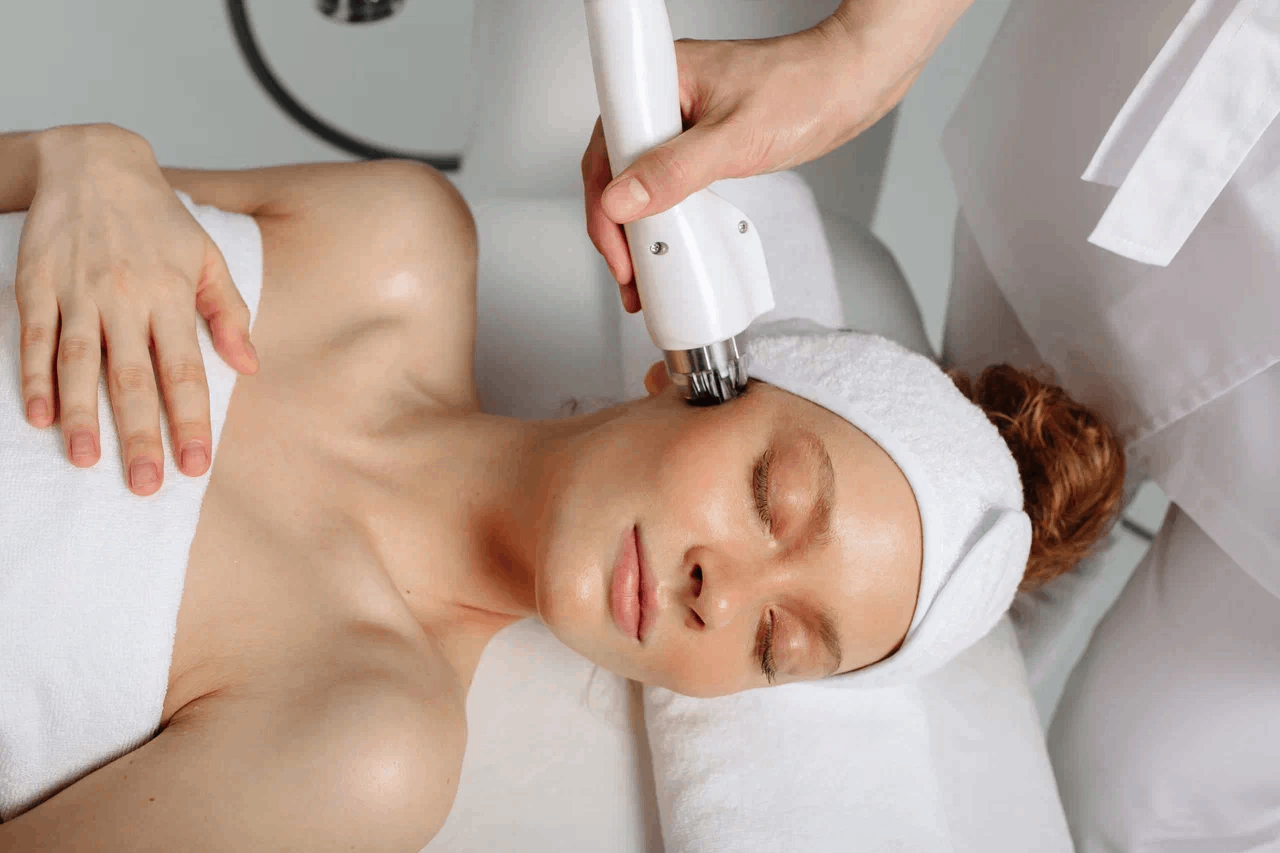
The principle is deceptively simple. A controlled radiofrequency current meets the resistance of living tissue and converts into heat at a precise depth in the dermis. The collagen there responds the way collagen always has to controlled thermal stress: it contracts, and then, over the following weeks, it rebuilds. The visible result is firmer, more organised skin. The invisible result is a quiet reorganisation of the architecture beneath.
What has changed is not the physics but the choreography. Early devices delivered heat bluntly, trusting a single mechanism to do all the work. The current generation treats radiofrequency as one voice in a chorus. Bipolar energy tuned to the dermis is paired with vacuum stimulation that lifts and mobilises tissue, with light that calms and supports recovery, with mechanical massage that moves lymph and fluid. Each modality addresses a different layer — dermis, the tissue beneath it, the superficial fat — so that the face is treated as a structure rather than a surface.
Systems built on this multimodal logic, among them platforms such as Lumme Sculpt, illustrate the shift well. The appeal is not any single setting but the way the settings combine: heat to remodel, suction to circulate, light to soothe. The treatment becomes adjustable in real time, the practitioner moving between regions and intensities the way an editor moves between paragraphs. There is no ablation, no injection, no recovery period to negotiate — only a gradual, repeatable firming that accumulates across a series.
“Lumme Sculpt is one of the most advanced non-invasive body contouring systems I have worked with. Its combination of multiple technologies delivers results while maintaining a high level of patient comfort and safety." >”— Dr. Glumičić
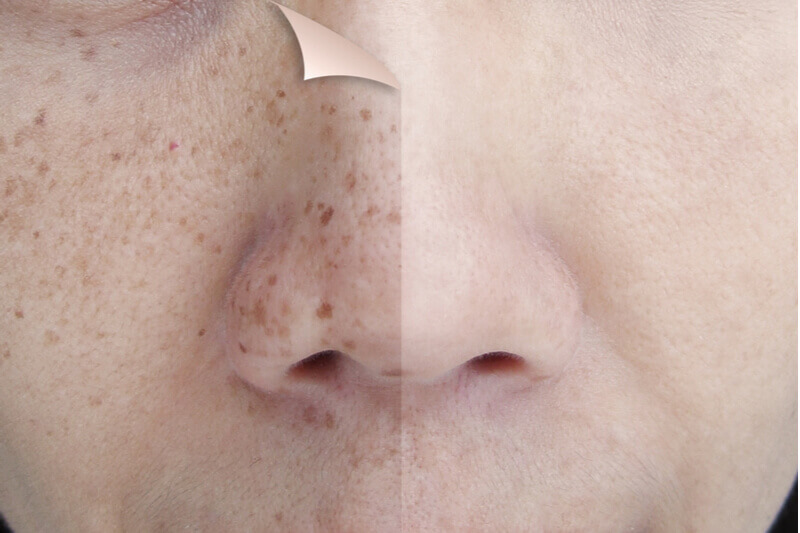
This is where radiofrequency rewards patience over spectacle. A single session warms and stimulates; it is the sequence that rebuilds. The collagen response unfolds on a biological timeline, not a marketing one, and the most honest practitioners say so plainly. The before-and-after here is measured in weeks, in the slow return of definition along a jawline or the smoothing of texture across a thigh.
There is also an economic logic that explains the technology's spread through serious clinics. A device such as Lumme Sculpt that requires no consumables, treats both face and body, and produces results clients return for, changes the arithmetic of a practice. But the deeper reason for its rise is cultural. Radiofrequency fits the temperament of the new aesthetics — a preference for the gradual over the drastic, for maintenance over intervention, for results that look like good health rather than visible work.
Warmth, it turns out, is a more sophisticated tool than force. It persuades tissue rather than wounding it. And in the quiet heat just beneath the surface, the most modern idea in firming is also one of the oldest: that skin, given the right signal, will rebuild itself.
---
Discover Lumme Sculpt
References
- Sadick NS, et al. A review of radiofrequency for skin tightening. Dermatologic Surgery, 2014.
- Lolis MS, Goldberg DJ. Radiofrequency in cosmetic dermatology: a review. Dermatologic Surgery, 2012.
- Araujo AR, et al. Fractional radiofrequency for skin rejuvenation. Journal of Cosmetic Dermatology, 2015.
- Alexiades-Armenakas M, et al. Monopolar radiofrequency for skin tightening. Journal of Drugs in Dermatology, 2008.