Pink-Aging: Why Inflammation Became Skincare's Quietest Frontier
For decades, aging was told as a story of lines and laxity. A quieter idea is now reshaping the conversation: that much of how skin ages begins with inflammation we never see.
For decades, the language of aging skin was almost entirely architectural. We spoke of lines, of laxity, of volume lost and contours softened. The remedies followed the same logic — fill what has emptied, lift what has fallen, resurface what has roughened. It was a vocabulary of structure, and it served the industry well.
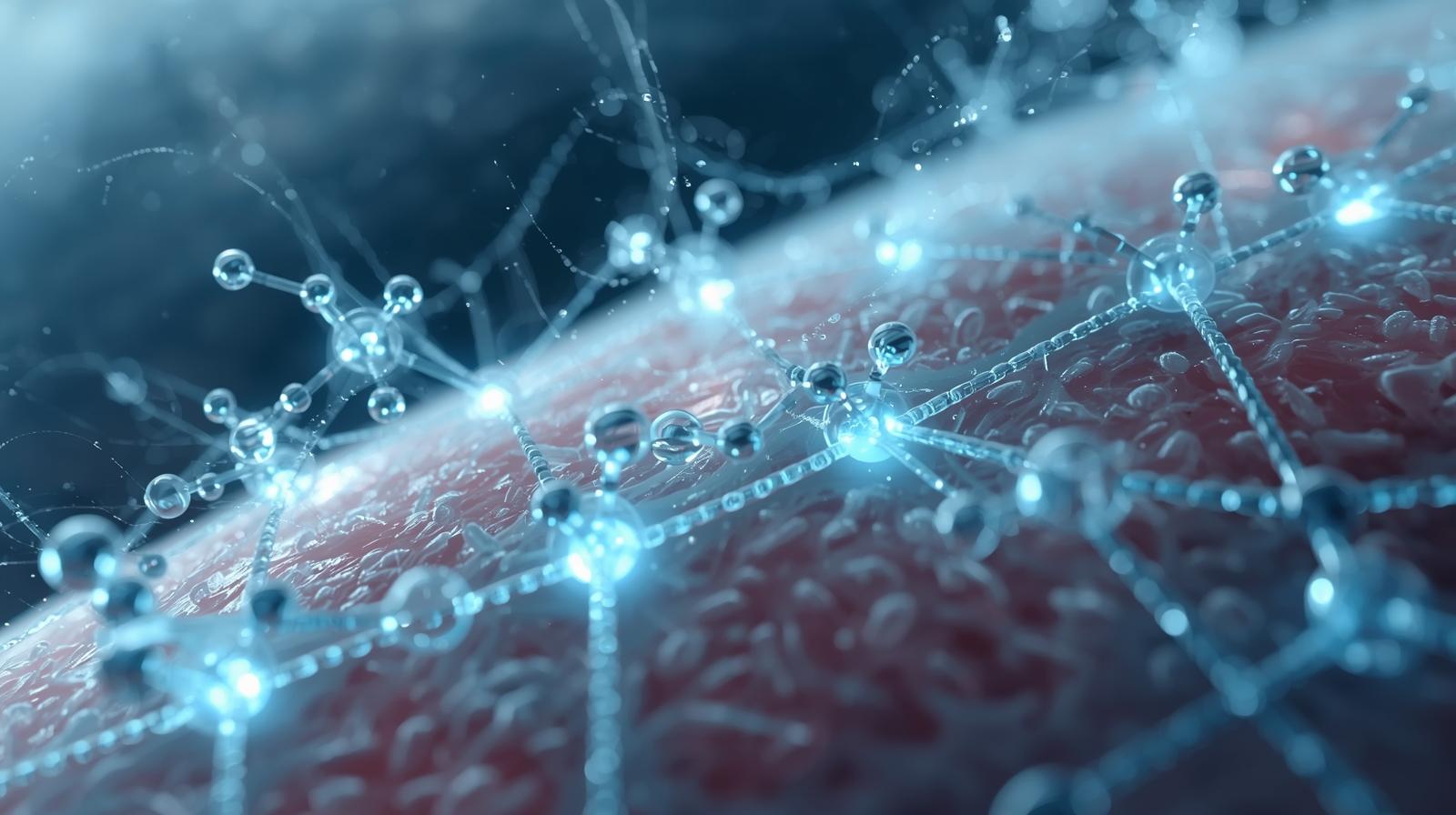
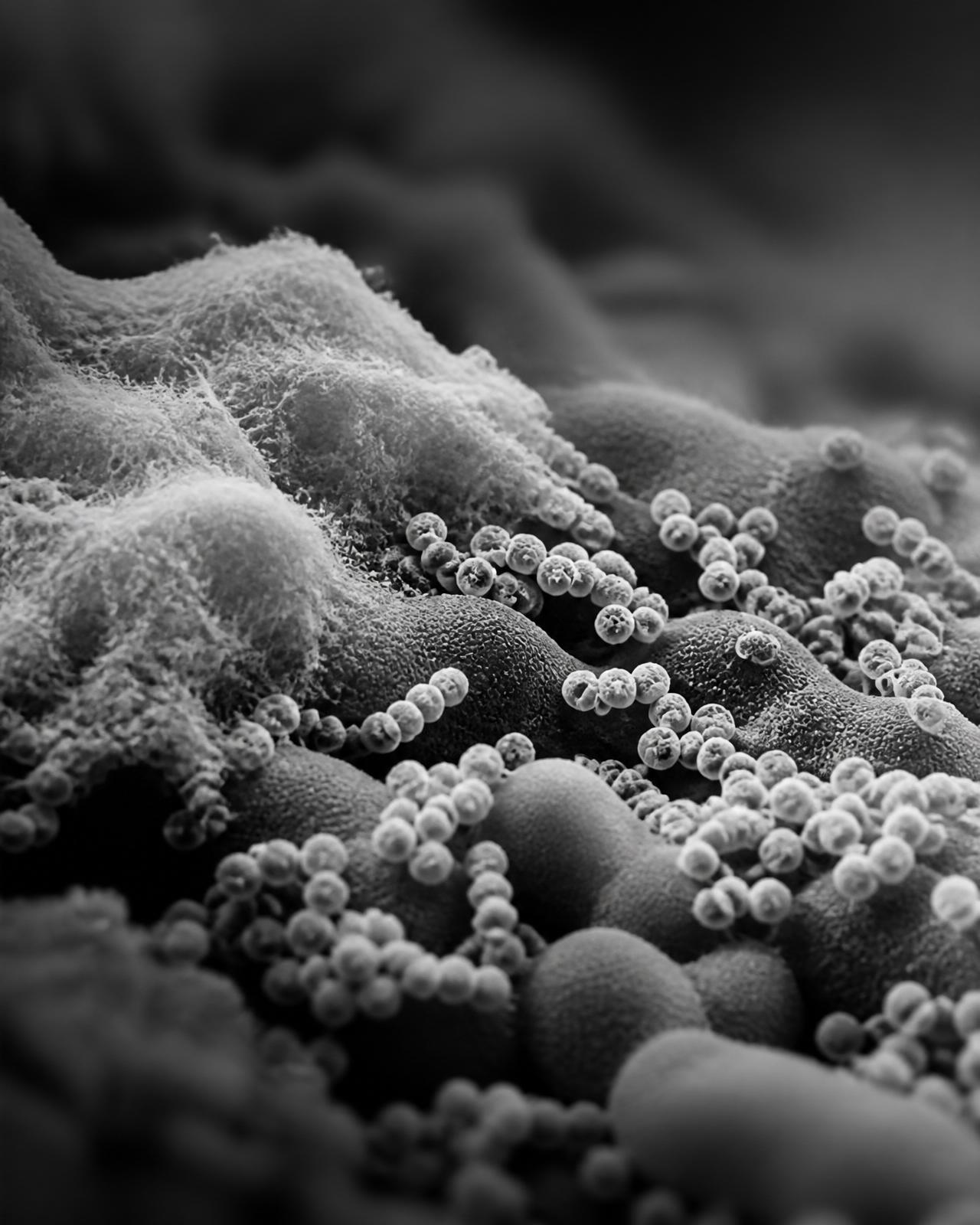
A quieter idea has been gathering force in dermatology, and it asks us to look beneath the surface. Researchers increasingly describe a phenomenon some now call pink-aging: the slow, cumulative effect of chronic, low-grade inflammation on the skin over time. It is not the dramatic redness of a flare or a reaction. It is something far more subtle — a persistent, almost invisible background hum of immune activity that, year after year, wears at the skin''s resilience.
The term borrows from a broader concept in longevity science known as inflammaging, the recognition that ageing across the whole body is shaped by the immune system''s slow drift toward a more inflamed baseline. Skin, being our most exposed organ, may be where this drift is written first and most legibly.
What makes pink-aging compelling is how ordinary its triggers are. Ultraviolet exposure, pollution, disrupted sleep, a compromised barrier, even the daily friction of stress — each contributes a small inflammatory signal. Individually they are trivial. Accumulated across decades, they quietly accelerate the breakdown of collagen, blunt the skin''s capacity to repair, and leave behind the dullness and uneven tone many people struggle to name.
The clinical response is still taking shape, and the most thoughtful practitioners are notably restrained about it. The interest is not in suppressing inflammation entirely — the immune system is, after all, doing essential work — but in calming the chronic excess. That has meant a renewed attention to barrier health, to antioxidants that neutralise oxidative stress before it provokes a response, and to ingredients that modulate rather than merely mask.
There is a certain elegance to this shift. It moves the focus away from correction and toward prevention, away from the visible symptom and toward the underlying climate of the skin. A patient who once asked how to erase a line might now ask, more usefully, how to keep their skin calm enough that the line forms more slowly in the first place.
It also reframes habits we tend to dismiss as wellness clichés. Sun protection, sufficient sleep, a diet that does not provoke systemic inflammation — these stop being lifestyle suggestions and become, in the logic of pink-aging, a form of long-term dermatological care. The unglamorous fundamentals turn out to be the frontier.
None of this is a finished science. Pink-aging is a useful lens more than a settled diagnosis, and the field is right to be cautious about overpromising. But the direction of travel is clear. The most interesting work in skin is moving inward, toward the quiet, continuous processes that decide how a face holds up over a lifetime — not in the weeks before an event, but across the decades no one photographs.
If the last era of skincare was about what we could see and correct, the next may be defined by what we learn to soothe before it ever surfaces.
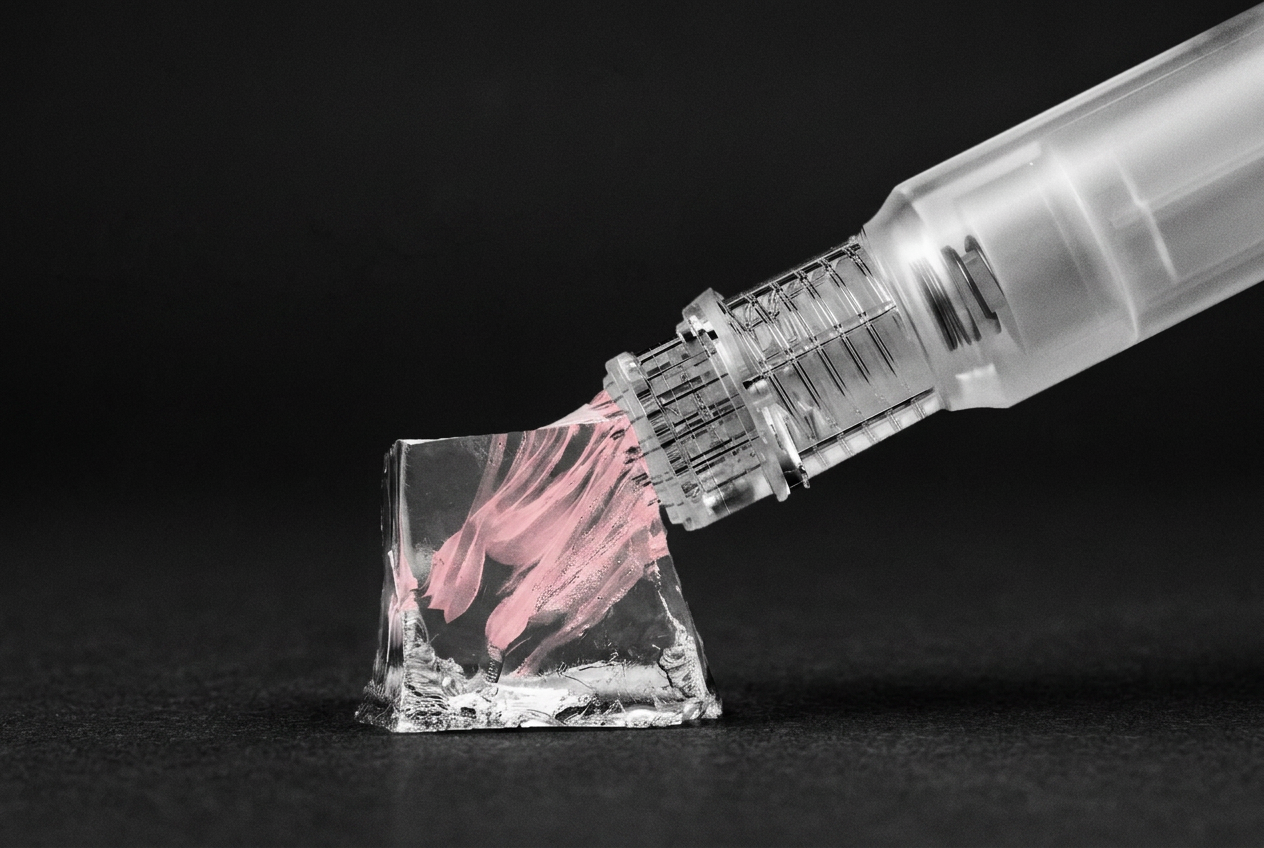
“My clients and I are excited about the patented ergonomic design for easy use and precise dosing of a dedicated medicine that painlessly improves skin transparency, which has a positive effect on hydration, rejuvenation and activation of energy in the tissue.”— Dr. Dinko Kaliterna, Policlinic Poliderma
Explore the approach and treatments
References
- Franceschi C, Campisi J. Chronic inflammation (inflammaging) and its potential contribution to age-associated diseases. Journals of Gerontology, 2014.
- Pilkington SM, et al. Inflammaging and the skin. Journal of Investigative Dermatology, 2021.
- Zhuang Y, Lyga J. Inflammaging in skin and other tissues. Inflammation & Allergy Drug Targets, 2014.
- Chung HY, et al. Molecular inflammation as an underlying mechanism of aging. Ageing Research Reviews, 2009.