The Gentlest Wound: Biomicroneedling and Skin's Quiet Repair
Healing has always required a wound. The most refined corner of regenerative skin care asks a quieter question: how small, how gentle, can that wound be?
Healing has always required a wound. It is the oldest logic in regenerative medicine — that the body's repair machinery only switches on when something signals the need for it. The most refined corner of skin care now asks a quieter version of the question: how small, how gentle, how precise can that signal be while still being heard?
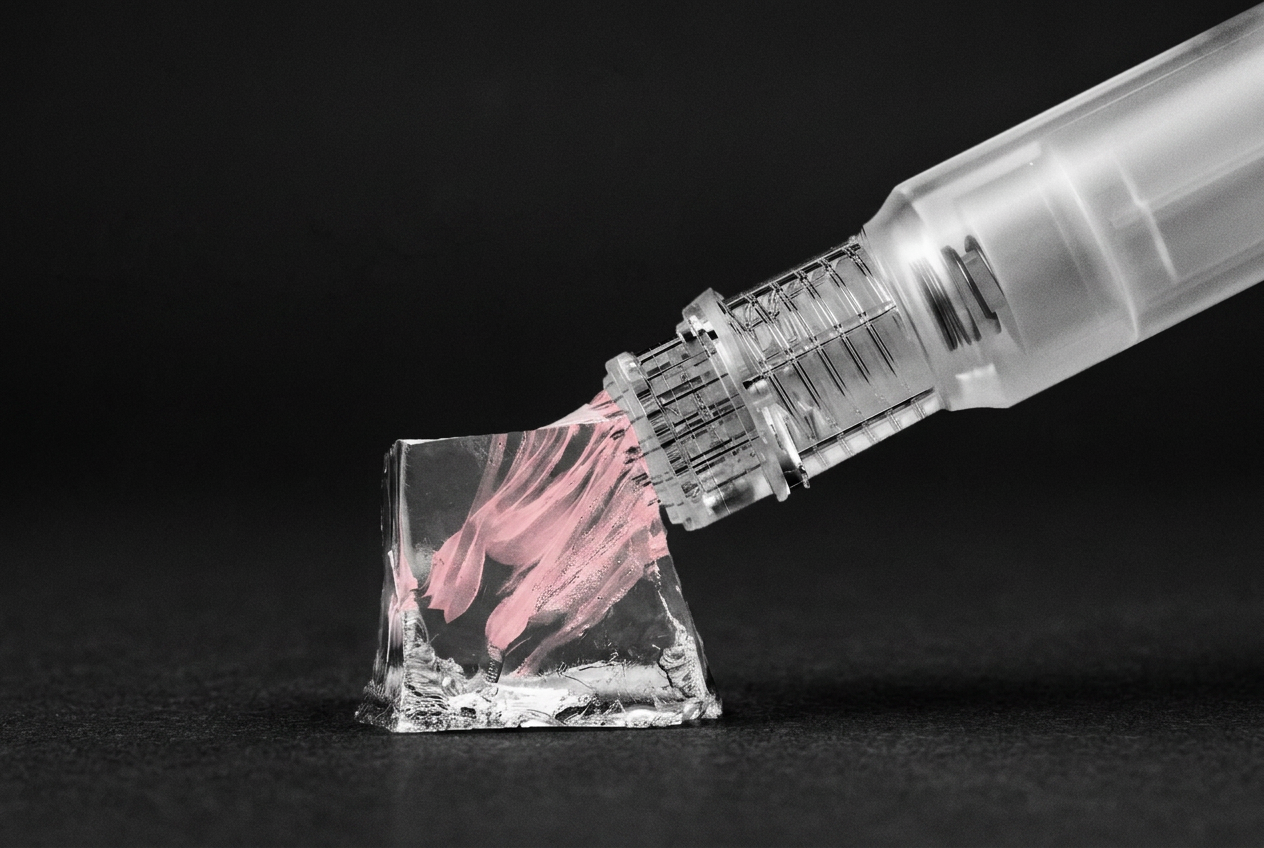
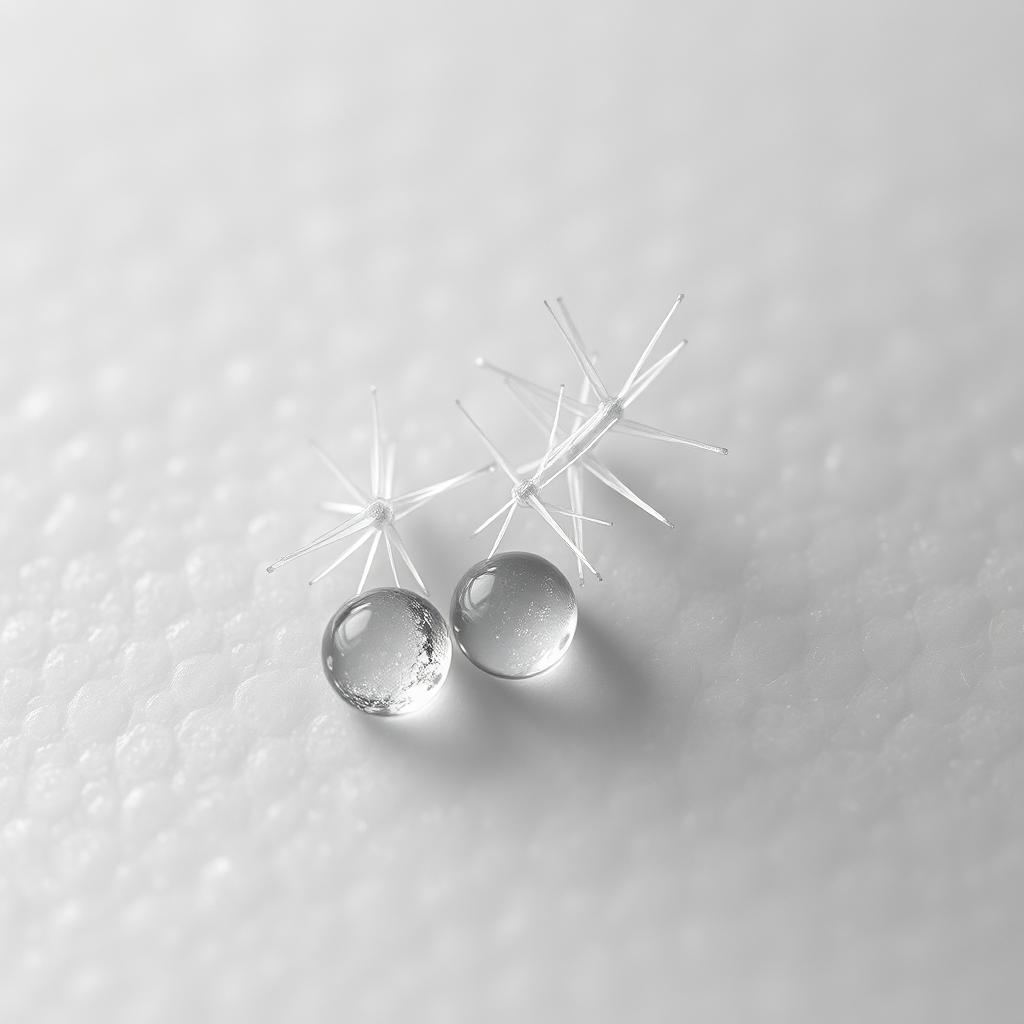
This is the territory of biomicroneedling, and its most elegant expression borrows directly from nature. Certain freshwater sponges produce microscopic mineral structures called spicules — fine, needle-like crystals of silica. Applied to the skin under professional guidance, they create countless tiny micro-channels in the surface, far gentler than a mechanical needle yet enough to rouse the skin's renewal cycle. The body, registering thousands of minute prompts, responds the way it is built to: with exfoliation, regeneration, and a burst of repair activity that unfolds over the days that follow.
What distinguishes the approach is the character of the stimulus. Where harsher resurfacing strips the skin and demands recovery, biomicroneedling works by suggestion. The micro-channels are small enough to close quickly but real enough to matter, and they serve a second purpose: they open a path for the actives applied alongside them. Growth factors, peptides, and exfoliating agents that would otherwise sit on the surface can descend to where they are needed. The most advanced professional protocols pair silica spicules with structured peptide complexes formulated specifically for channel penetration — programs such as the Peptaxel line demonstrate how targeted peptide delivery can amplify the skin's post-treatment renewal signal.
The technique has found a particular role in the most stubborn concerns: acne-prone skin, the scarring and pigmentation it leaves behind, pores enlarged by excess oil and lost elasticity. Here the gentleness is not a limitation but the entire advantage. Skin already inflamed cannot tolerate aggression; it can, however, tolerate a precise, controlled prompt to renew itself. The renewal continues quietly after the session ends, the silica's effect playing out over a span of days rather than minutes.
There is a discipline to it that the field increasingly values. Biomicroneedling is delivered as a course, spaced across weeks, with maintenance to follow — an acknowledgement that genuine repair is cumulative, not instantaneous. The aftercare matters as much as the treatment: protection from the sun, restraint from anything that would over-stimulate freshly prompted skin, patience while the cycle completes.
What makes the idea resonate is its restraint. Biomicroneedling does not transform the skin so much as it persuades the skin to transform itself. It works with the body's own logic of repair, supplies the smallest possible reason for that repair to begin, and then waits. In an era learning to prefer the gentle over the drastic, it may be the purest example of the principle: that the most powerful wound is sometimes the gentlest one.
References
- Alster TS, Graham PM. Microneedling: a review and practical guide. Dermatologic Surgery, 2018.
- Hou A, et al. Microneedling: a comprehensive review. Dermatologic Surgery, 2017.
- Fabbrocini G, et al. Percutaneous collagen induction: an effective and safe treatment. Journal of the American Academy of Dermatology, 2011.
- Ramaut L, et al. Microneedling: where do we stand now? Journal of Plastic, Reconstructive & Aesthetic Surgery, 2018.