The Blurring Line Between the Clinic and the Bathroom Shelf
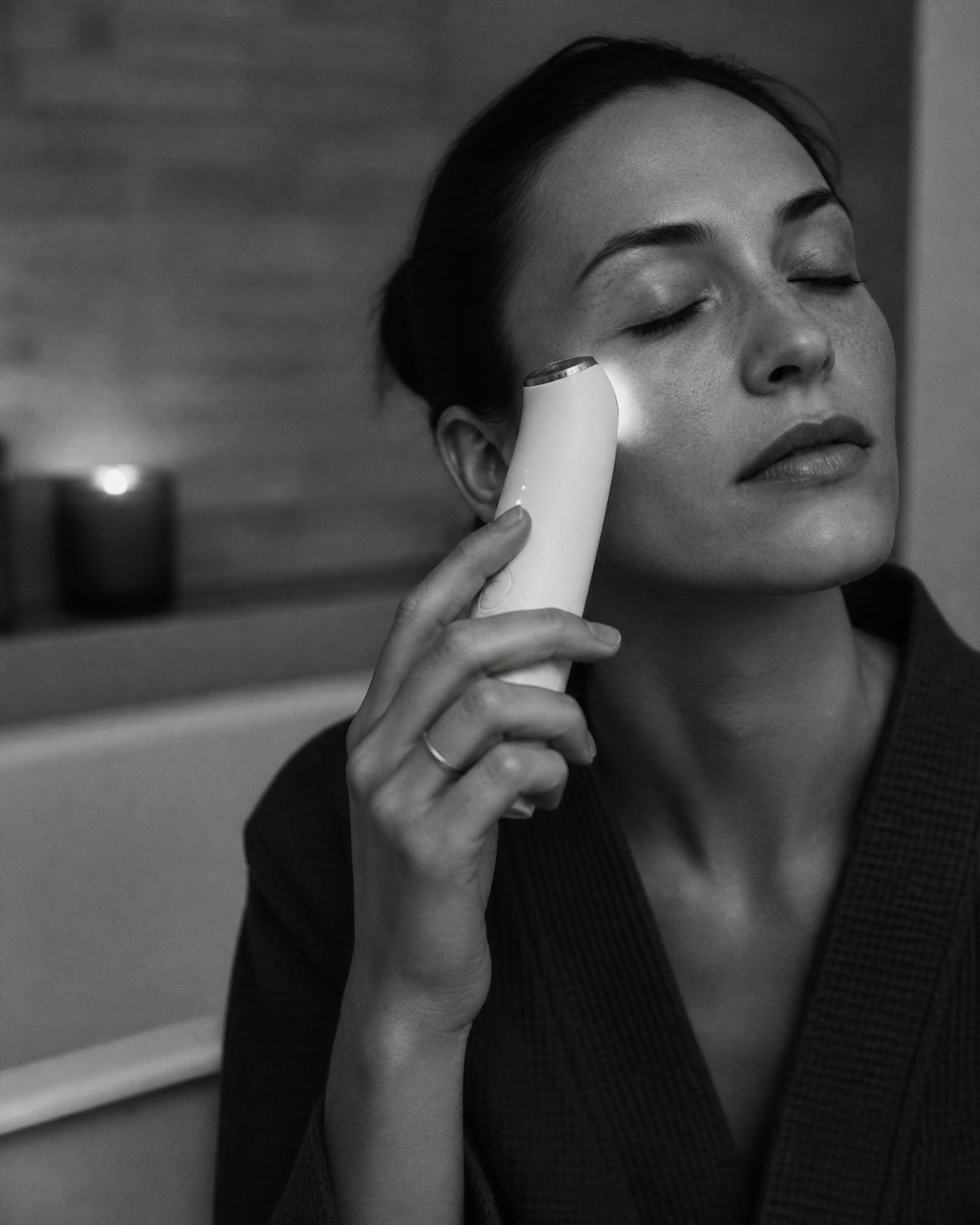
The technology that once belonged exclusively to the clinic is steadily making its way home. As at-home devices grow more capable, the boundary between professional and personal care is quietly dissolving.
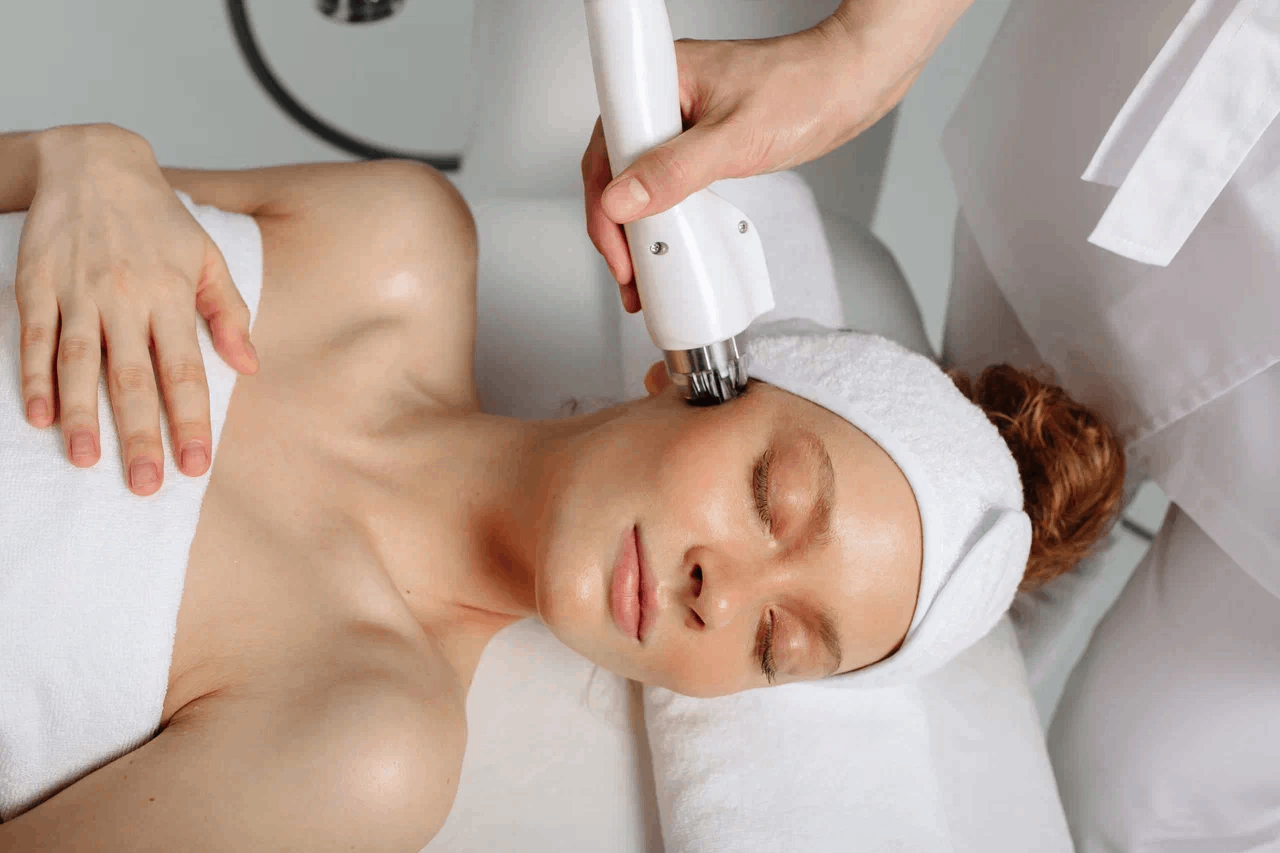
For decades the line was clear. Serious skincare technology — the lasers, the radiofrequency, the light therapies — lived in the clinic, operated by trained hands and accessed by appointment. What you could do at home was, by comparison, modest: cleanse, moisturise, protect. The boundary between professional and personal care was firm, and it defined the industry.
That boundary is steadily dissolving. A new generation of at-home devices has brought once-exclusive technologies — LED light, microcurrent, gentle radiofrequency, ultrasonic stimulation — within reach of the bathroom shelf. They are gentler than their clinical counterparts, necessarily so, but they are no longer toys. Used consistently, the better ones produce real, if subtler, results.
What makes this shift significant is not any single device but the change in expectation it represents. People have grown accustomed to managing aspects of their health at home that once required a professional — tracking their heart rate, monitoring their sleep, adjusting their training. The migration of skincare technology into the home fits naturally into that broader pattern of self-directed care.
The appeal is partly practical. Clinical treatments are expensive, time-consuming and occasional. An at-home device trades intensity for frequency, offering a little less power but the chance to use it regularly — and in skincare, as in fitness, consistency often matters more than intensity. A modest treatment performed several times a week can, over months, rival the cumulative effect of rarer professional sessions.
This poses an interesting question for the clinic. If the technologies that once defined professional care are increasingly available at home, what is the clinic''s enduring value? The answer, for the most thoughtful operators, lies in what cannot be packaged into a handheld device: diagnosis, expertise, the more powerful treatments that genuinely require supervision, and the judgement to know what a particular face actually needs.
Rather than a threat, many practitioners are coming to see at-home devices as a complement. The home device maintains and extends the results achieved in the clinic; the clinic provides the assessment, the heavier intervention and the guidance that makes the home routine effective. Increasingly, the two are being designed to work together rather than in competition.
There are cautions worth stating. The at-home market is crowded, and not every device is backed by meaningful evidence. The gap between a well-engineered tool and an expensive gadget can be hard for a consumer to see. The most responsible brands distinguish themselves by honesty about what their devices can and cannot do, and by realistic claims measured in gradual improvement.
Still, the direction is set. The clinic and the bathroom shelf are no longer separate worlds but points on a continuum, and the most interesting future is one in which they reinforce each other. Professional care is becoming less a place you visit and more a system you live within — part appointment, part daily practice. The boundary that once defined skincare is, quietly, becoming a bridge.
References
- Draelos ZD. Cosmeceuticals: undefined, unclassified, and unregulated. Clinics in Dermatology, 2009.
- Kligman A. The future of cosmeceuticals. Dermatologic Surgery, 2005.
- Epstein H. Cosmeceutical vehicles. Clinics in Dermatology, 2009.
- Newburger AE. Cosmeceuticals: myths and misconceptions. Clinics in Dermatology, 2009.