The Architecture of Absorption
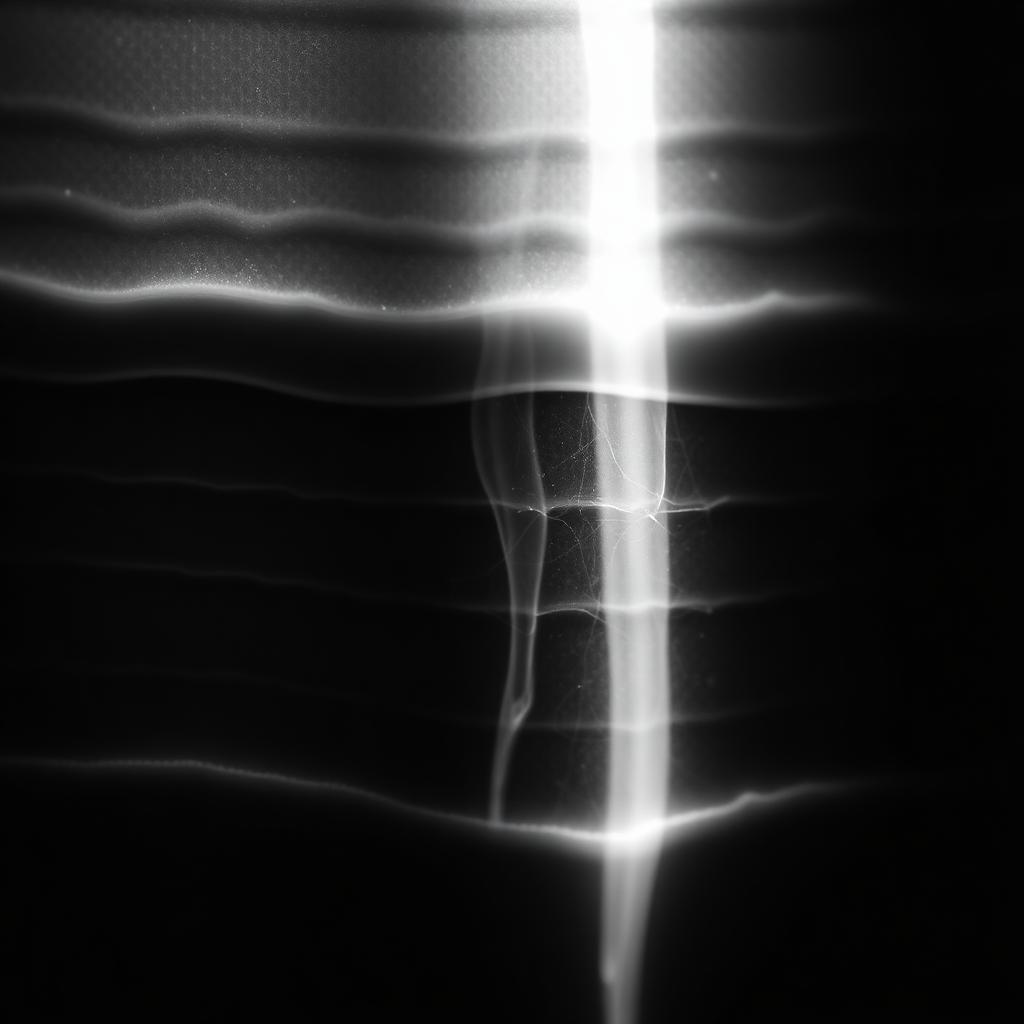
The skin is an exquisite barrier, designed to keep the world out. The central challenge of modern treatment is also its central irony: persuading that barrier to let something in.
The skin is an exquisite barrier. Its outermost layer is engineered, with remarkable efficiency, to keep the world out — pathogens, pollutants, water loss, and, inconveniently for skin care, most of the active ingredients applied to it. This is the central irony of the field. We formulate ever more sophisticated molecules, and then meet a wall built specifically to refuse them. The most important question in any treatment is rarely what is in the serum. It is whether the serum ever arrives.
This is the architecture of absorption, and it is where much of the real innovation in aesthetics now lives. A topical application, smoothed onto intact skin, delivers only a fraction of its active payload past the surface. The rest evaporates or is wiped away, having never reached the layers where change occurs. For decades, this loss was simply accepted as the cost of doing business. It no longer is.
The strategies for overcoming the barrier divide, roughly, into two ideas: open a path, or drive the molecule through. The most interesting modern devices combine both. Microfractional technologies create transient microchannels — temporary openings in the surface, fine enough to close quickly but real enough to let actives descend into the dermis. On their own, these channels improve delivery substantially. Paired with an electrical gradient, the effect compounds.
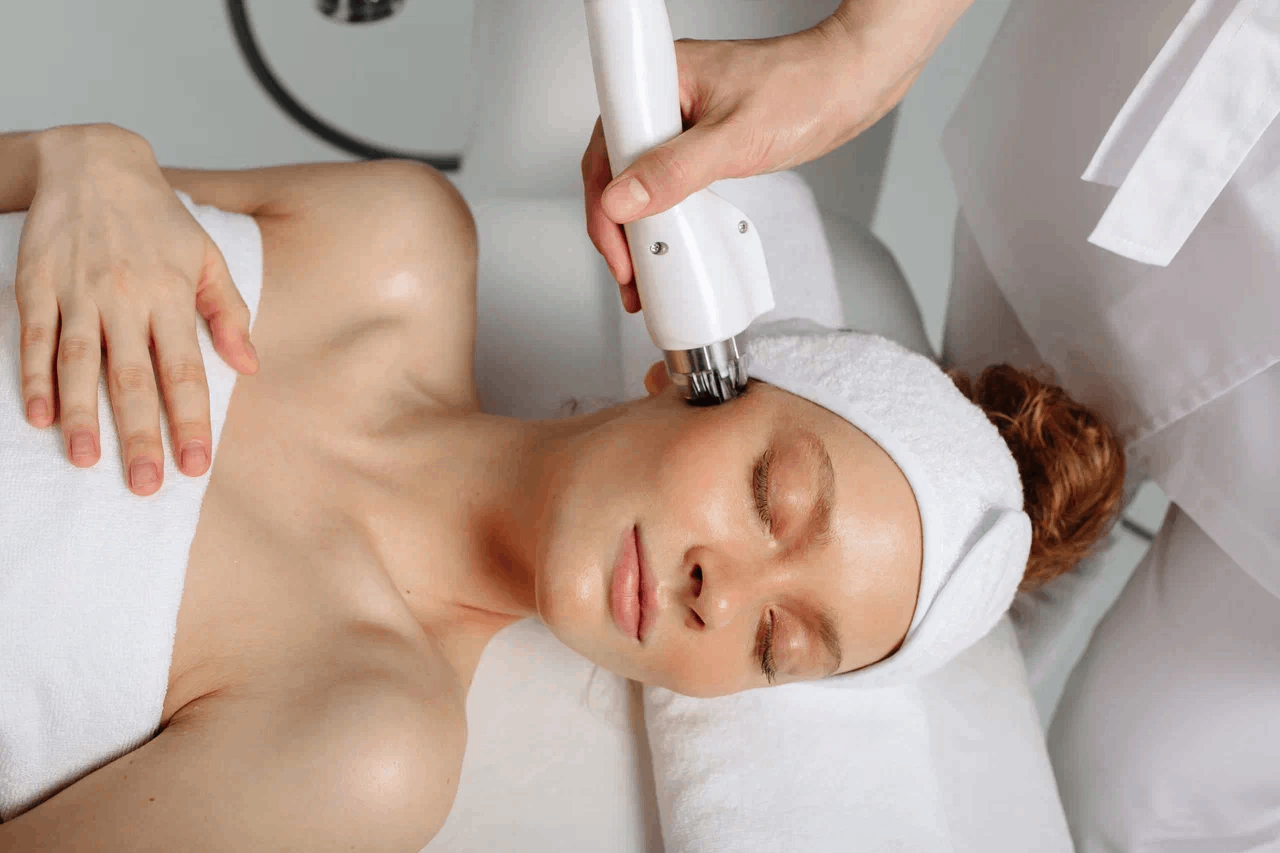
That pairing is the principle behind systems such as Noblejection, which combines microfractional needling with iontophoresis — a gentle electrical potential that pushes charged molecules deeper and spreads them wider than passive diffusion ever could. Its makers describe the result in three directions at once: deeper, as the channels carry actives into lower layers; wider, as the current distributes them across a broader field; and higher, as the stimulation lifts and tightens the treated tissue. The reported gain in absorption over conventional needling is dramatic — a reminder of how much of a serum's potential is ordinarily lost at the door.
What makes this generation of delivery technology notable is its restraint. There is no heat to manage, no injection to recover from. The barrier is opened just enough and just briefly enough to admit what is intended, then allowed to close. The aim is not to overwhelm the skin but to negotiate with it — to find the narrow window in which it will accept help without registering harm.
The deeper consequence is philosophical. Once delivery becomes reliable, the serum and the device can no longer be evaluated separately. A modest formula delivered precisely may outperform a brilliant one that never penetrates. The active and the architecture that carries it become a single instrument, and the skill of the practitioner shifts toward orchestrating the whole.
It returns us, in the end, to the barrier itself — that quiet, intelligent wall. The future of treatment will not be won by ignoring it or breaking it, but by understanding it well enough to ask, with precision and respect, to be let in.
References
- Bos JD, Meinardi MM. The 500 Dalton rule for skin penetration. Experimental Dermatology, 2000.
- Prausnitz MR, Langer R. Transdermal drug delivery. Nature Biotechnology, 2008.
- Barry BW. Novel mechanisms and devices to enable successful transdermal drug delivery. European Journal of Pharmaceutical Sciences, 2001.
- Alexander A, et al. Approaches for breaking the barriers of drug permeation. Journal of Controlled Release, 2012.
Explore the technology at noblejection.com.